The flagship, her sister, and the fate that split them
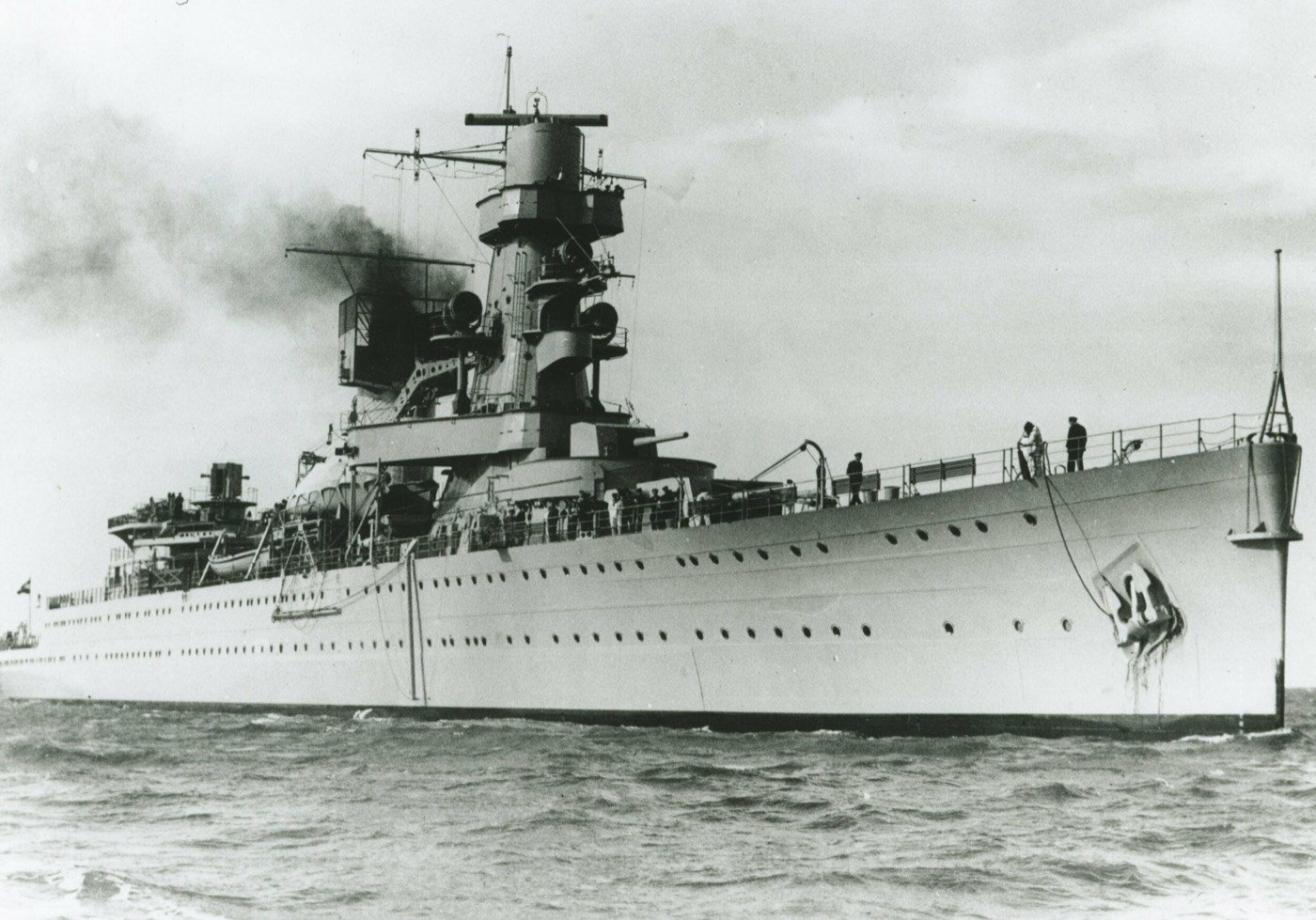
Three light cruisers, one shipbuilding program, three entirely different wars. Java and Sumatra entered service in the early 1920s, sister ships built to the same design. De Ruyter followed in 1936, technically a separate class but grouped with them in the same Dutch East Indies defense fleet — the fleet that existed, on paper, to protect a colony the Netherlands could never hope to defend with a force this size against a serious naval power. Everyone building that fleet in the 1930s knew it.
By February 1942, that gap between plan and reality had become the entire war. Admiral Doorman took De Ruyter to sea as his flagship in a scratch Allied force — Dutch, American, British, Australian ships operating together for the first time under real combat pressure, with no shared doctrine, no shared signal codes, and barely any shared history. The Battle of the Java Sea, fought on 27 February 1942, was the result: a Japanese force with better ships, better torpedoes, and better coordination against an Allied fleet assembled days before the fight it was thrown into.
De Ruyter was lost that night, Doorman with her. Java went down alongside her in the same engagement — sunk at Batavia's own doorstep, weeks after this project's own photograph of her moored there was taken.
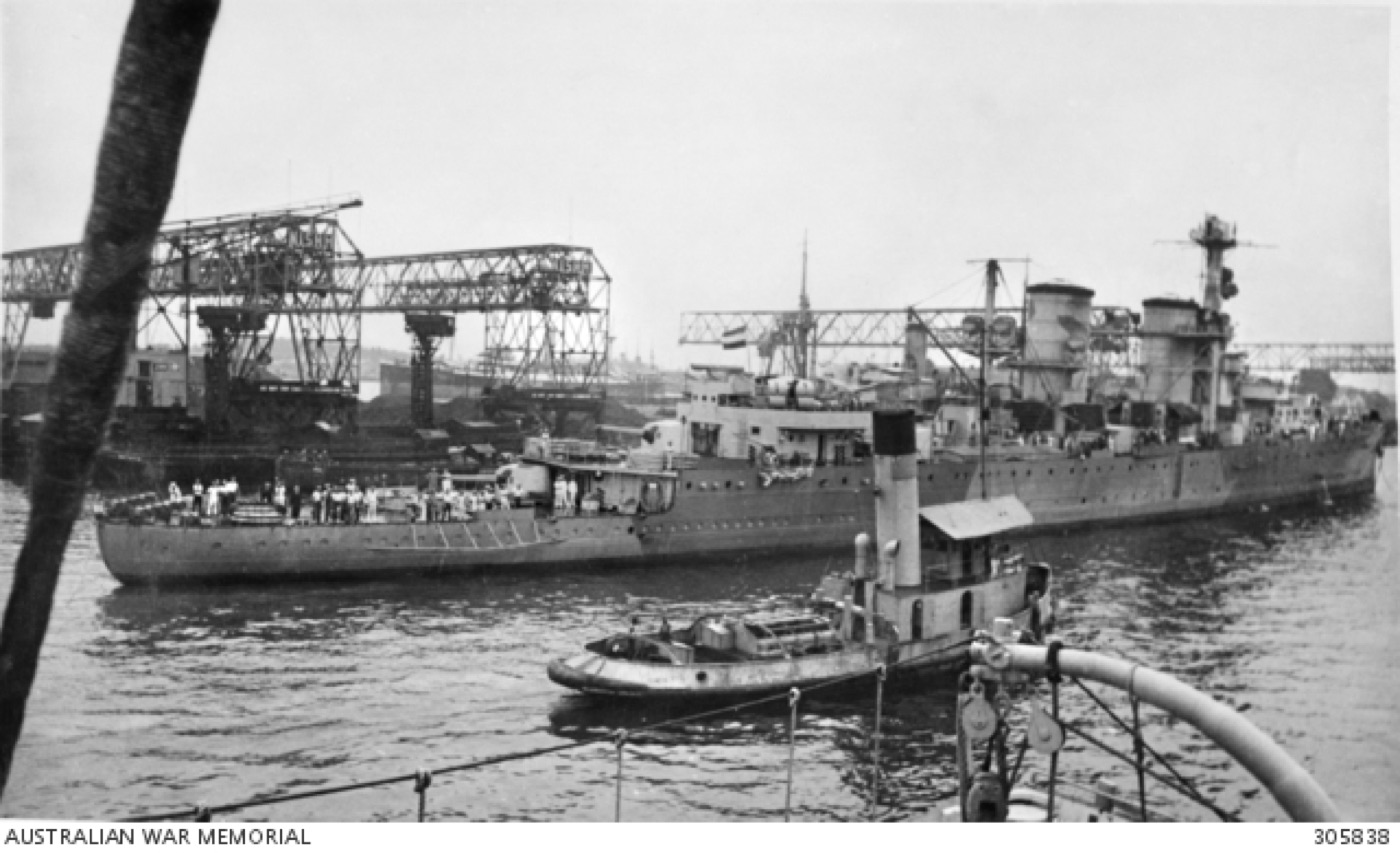
Propulsion problems left Sumatra unfit for combat duty by the time the war reached the Indies — the same sister ship that once carried Queen Wilhelmina's own family to Canada would end the war not in battle, but as a breakwater.
Sumatra's war looks nothing like her sister's. Engine trouble had already made her unsuitable for front-line combat before the Java Sea was fought — she never got the chance to go down fighting, for reasons that had nothing to do with courage or doctrine and everything to do with the age of her machinery. She survived the war years, disarmed, and was deliberately sunk in 1944 off Ouistreham, Normandy — ballast for the artificial Mulberry harbour that supported the D-Day landings. A warship built to defend a colony on the other side of the world ended up holding back the tide on a beach in France.
Three ships, one building program, three entirely different endings: combat loss with her admiral aboard, combat loss at her sister's side, and a quiet mechanical failure that turned into an entirely different kind of service years later and an ocean away. None of it was decided by anything the crews did wrong. It was decided years earlier, in a shipyard, by an engine that would or wouldn't hold up.
dutch_navy_koopvaardij_organizational_timeline.md.