The org chart said one regiment. The battlefield said four.
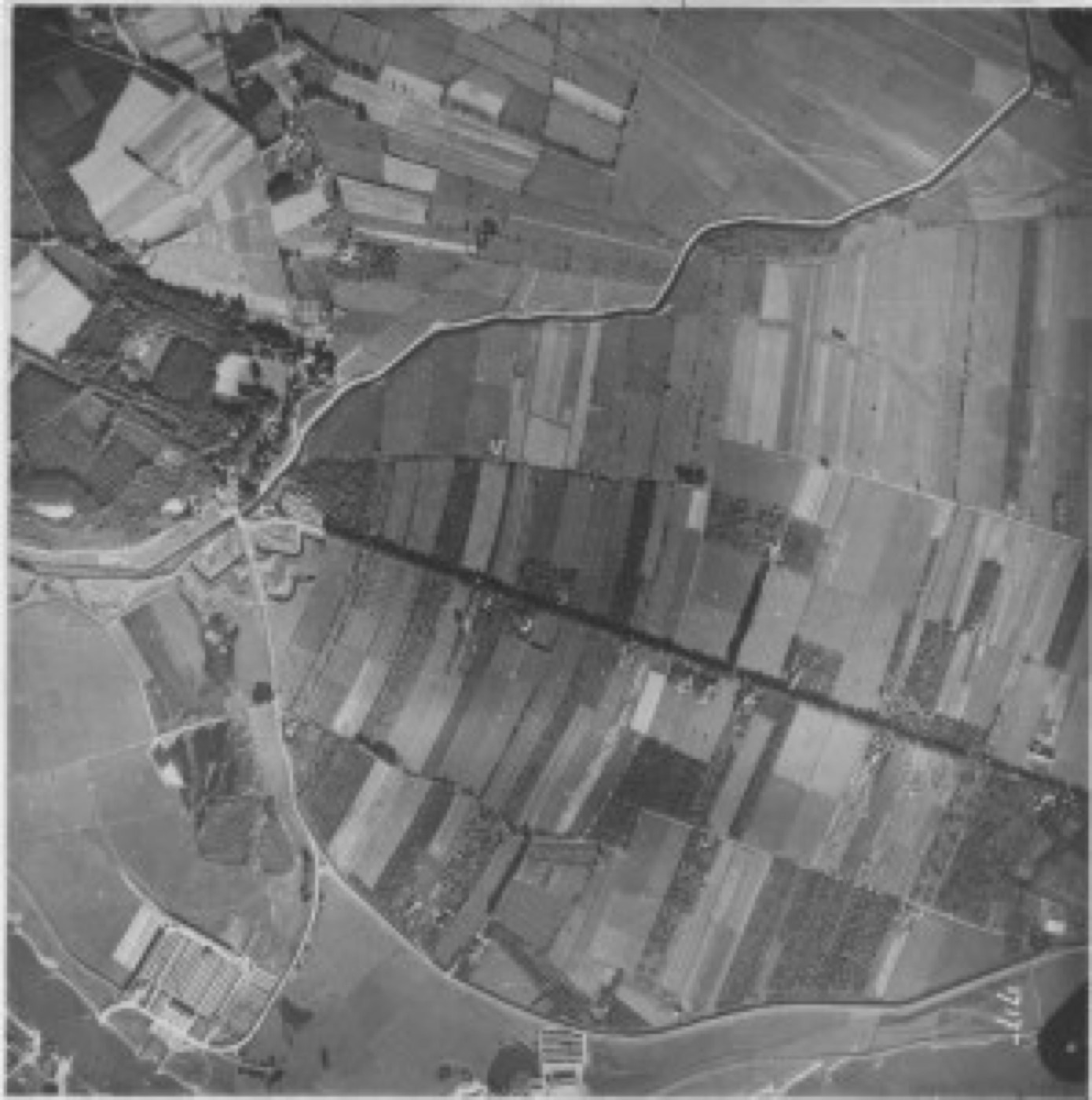
On paper, the defense of the Grebbeberg belonged to one unit: 8th Regiment Infantry, 2nd Battalion, 3rd Company — shorthand, 3–II–8 R.I. — part of II Army Corps. That's the unit this project's own primary sources come from: three combat reports written from memory roughly nine months after the battle, by Reserve Second Lieutenants and NCOs who were actually there. Rentjes. Elzas. Vos.
Read against each other, those three accounts tell a story the official order of battle doesn't. As the German assault ground forward on 11–13 May 1940, the line held by 8 R.I. didn't hold as one company's clean fight. It absorbed pieces of at least three other regiments — 24 R.I., 19 R.I., 11 R.I. — soldiers who arrived piecemeal, out of their own units, fed into the gap as the front began to give.
The paper organization and the actual battlefield order of battle diverge under pressure — troops from neighboring regiments got mixed into 8 R.I.’s sector as the line collapsed.
It's an unglamorous kind of detail — no single dramatic act, no named hero moment. But it's exactly the sort of thing that only survives in primary sources, because it doesn't fit the tidy narrative either side would prefer to tell afterward. The official history wants clean units with clean sectors. The battlefield, as these three men actually describe it, was reinforcements arriving from wherever they could be found, fighting next to strangers from other regiments, because the alternative was a hole in the line.
The human cost of holding that ground fell heaviest on 8 R.I. itself. Of the roughly 382 Dutch dead recorded for the fighting of 11–13 May specifically — 424 once the related action at Achterberg is included — 8 R.I. alone lost 179 men. Nearly half the battle's entire Dutch death toll, carried by the one unit that fought the outpost and front lines essentially without relief, exactly as its own survivors describe it happening.
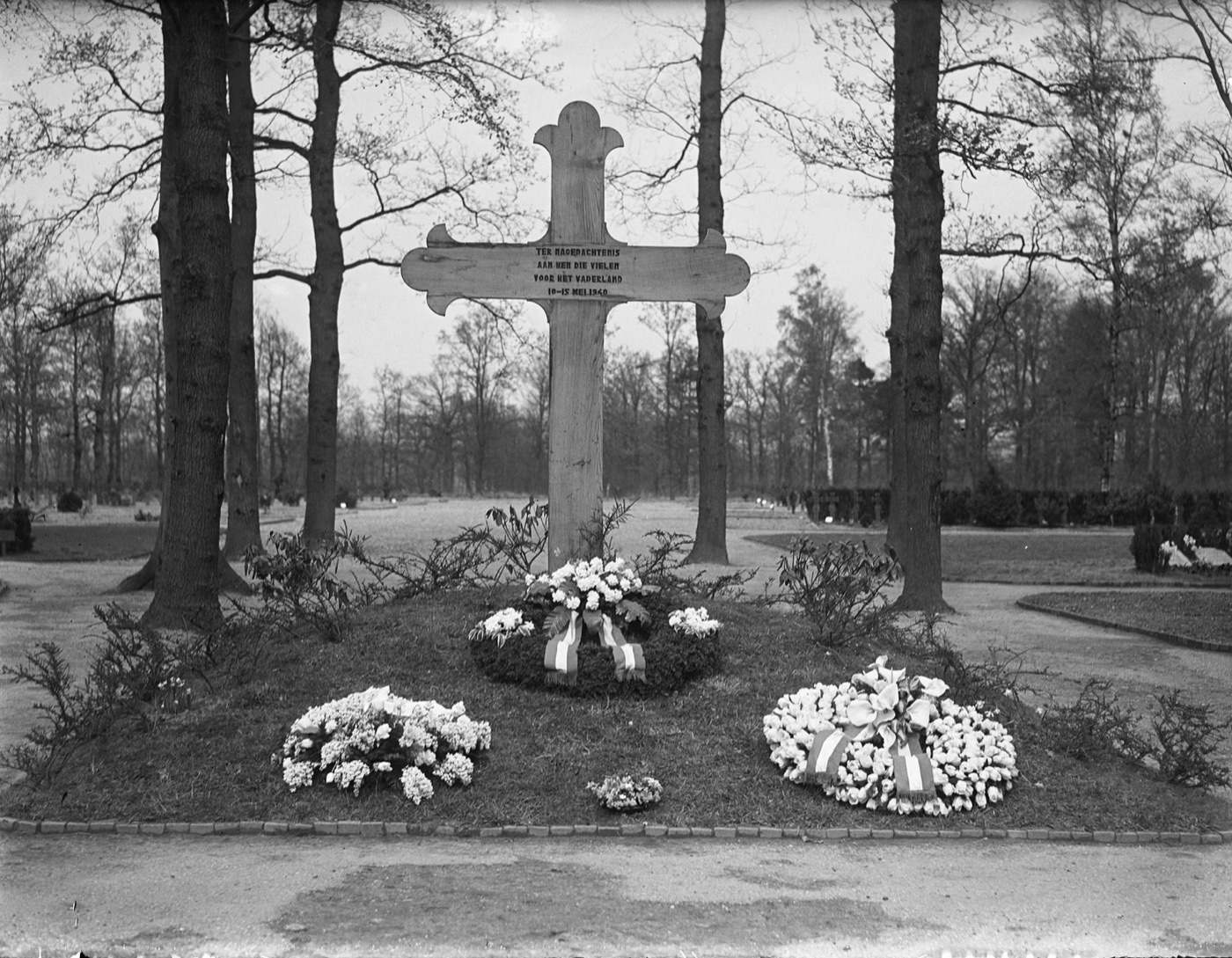
German losses were lower — around 165 confirmed dead directly tied to the Grebbeberg fighting, researchers place the real total "not much above 200" once ambiguous cases are folded in. The rough 1.5-to-1 ratio against the Dutch side is generally attributed to a real gap in artillery support between the two forces, not a difference in how hard the infantry on either side fought.
None of this changes who won or lost at the Grebbeberg. What it changes is how confidently anyone should describe the battle as a clean contest between two well-organized forces. The organizational chart is real. So is what actually happened once the fighting started and the chart stopped describing it.
dutch_army_organizational_timeline.md.