The five days everyone knows weren’t the whole war — and the sources that prove it.
A personal research project reconstructing the Dutch Army, Navy, and KNIL through primary sources — combat reports, official archives, contemporary photographs — with every claim traced back to where it actually comes from, and every gap in the record named instead of papered over.
Start reading How this is builtStories the popular version gets wrong
Each piece is sourced back to a specific document or archive — the tag tells you how solid the ground under it is.
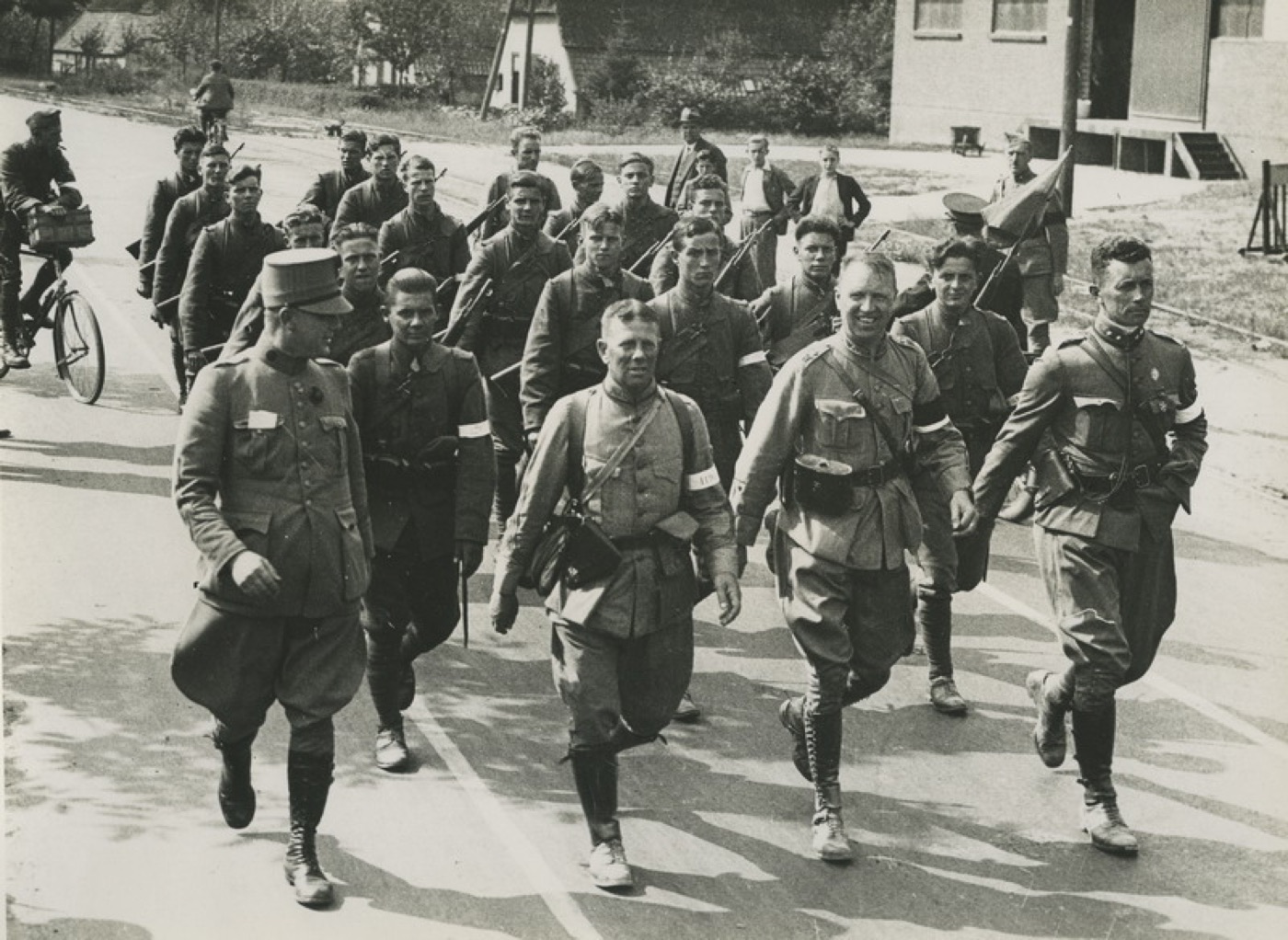
The org chart said one regiment. The battlefield said four.
At the Grebbeberg, three verified combat reports from 3–II–8 R.I. show soldiers from three other regiments fighting alongside them as the line collapsed — the paper plan and the real battle, side by side.
🟡 research scaffold Army · May 1940The battle that ended Hitler’s faith in paratroopers
The Hague was supposed to fall in hours. Dutch counterattacks retook the airfields, the government was never captured, and German losses were severe enough that Hitler never tried mass airborne assault again.
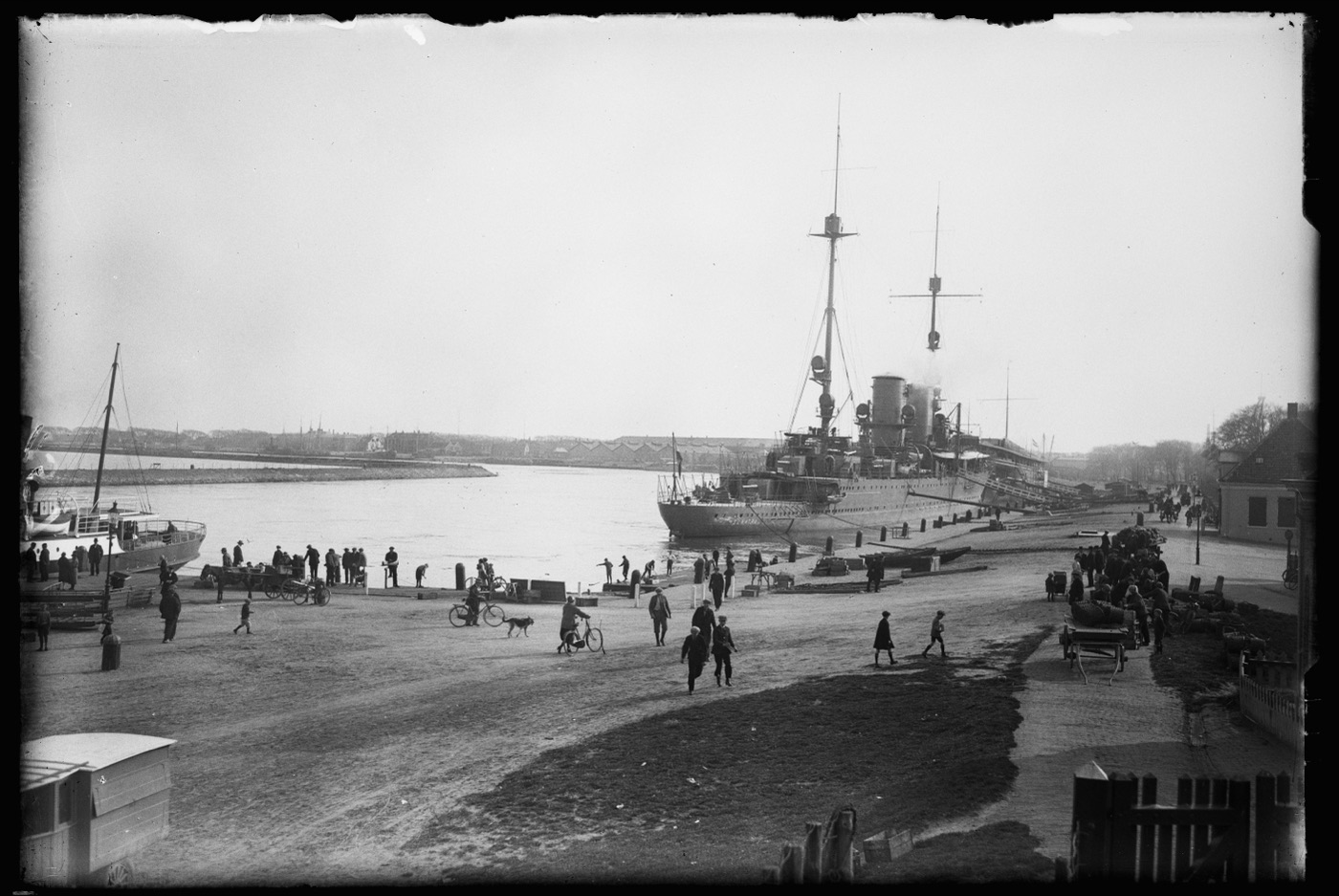
🟡 research scaffold Navy · February 1942The flagship, her sister, and the fate that split them
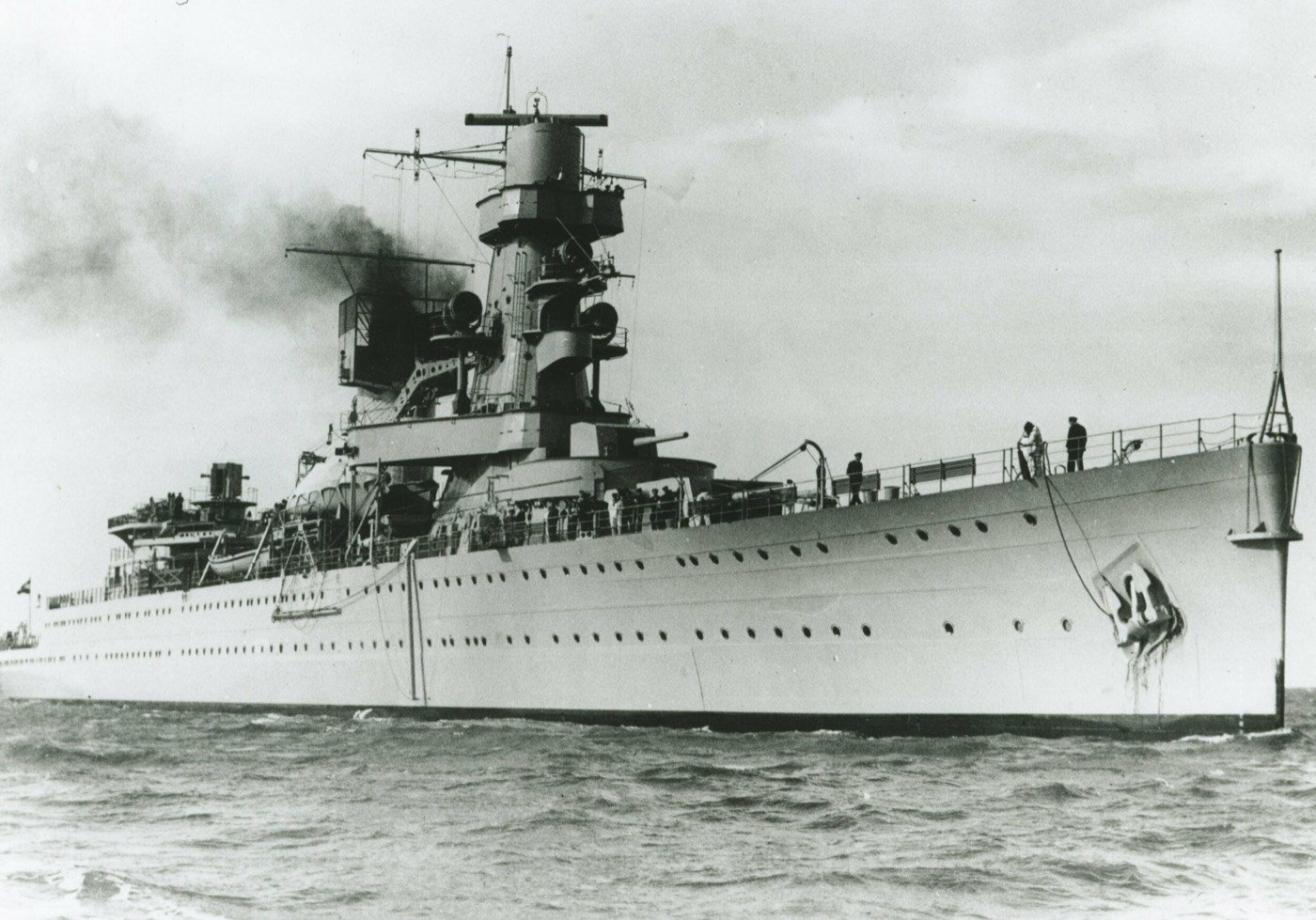
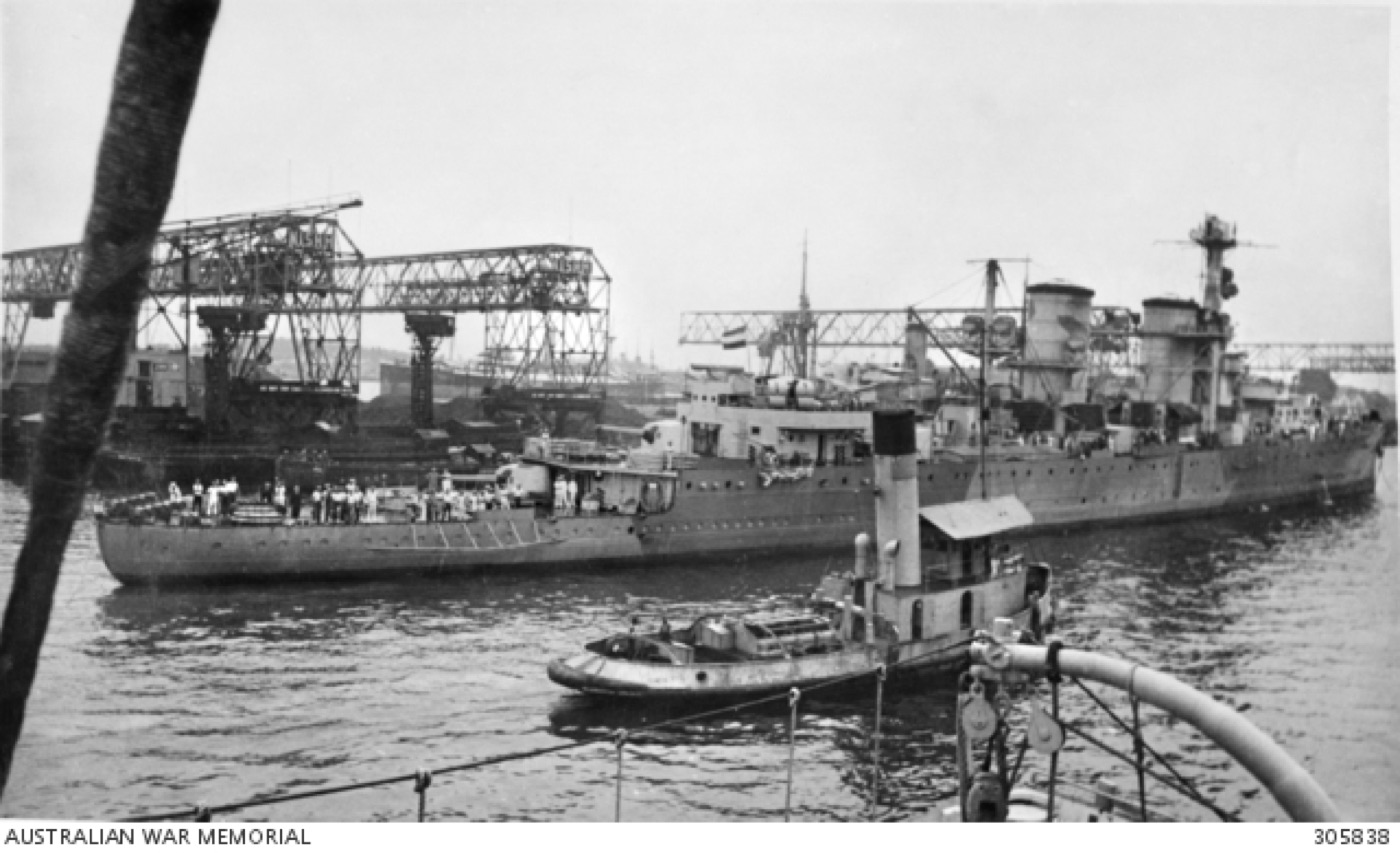
De Ruyter went down fighting with Admiral Doorman at the Java Sea. Her sister ship Sumatra never got the chance — disarmed by engine trouble, she ended the war as a breakwater off Normandy.
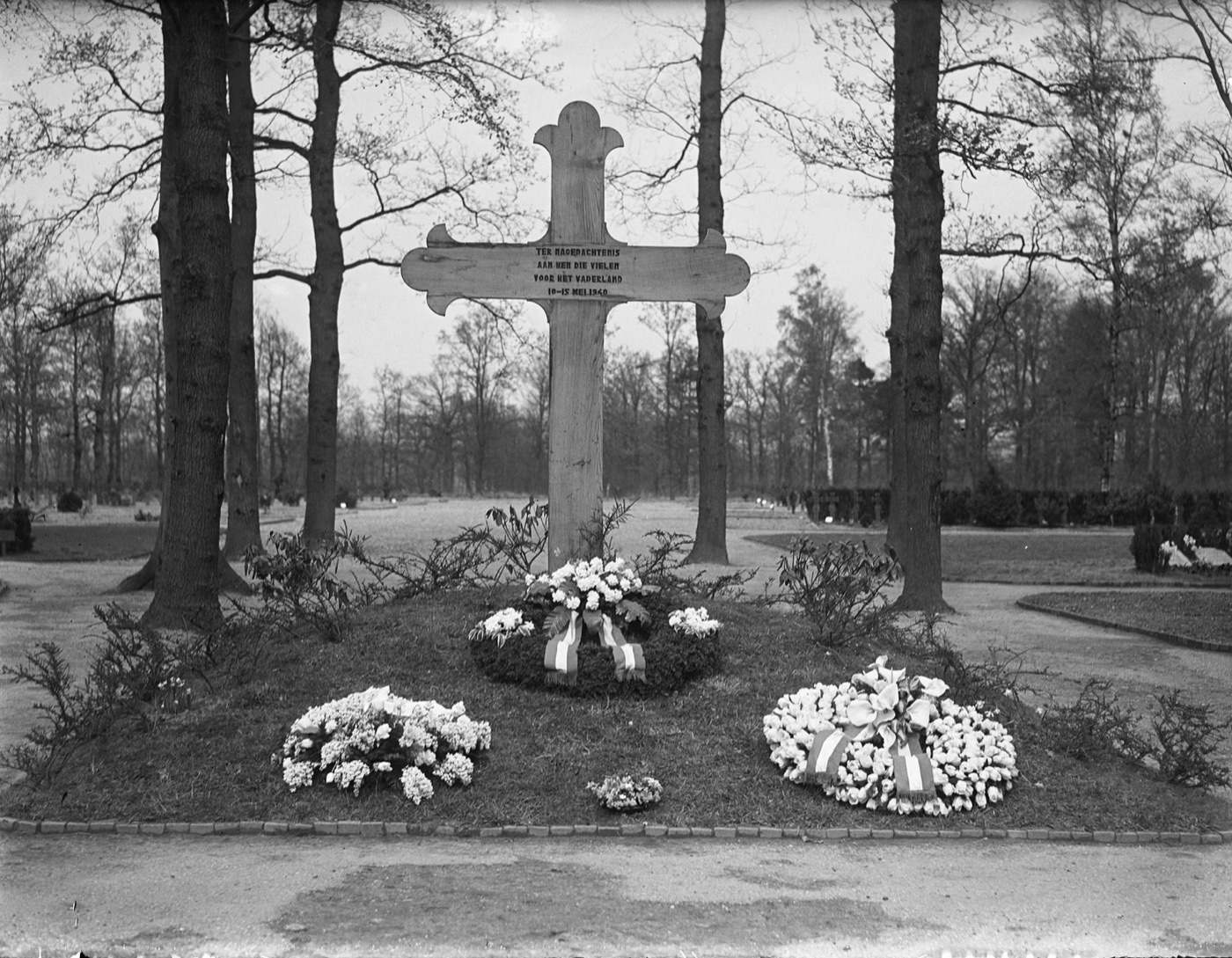
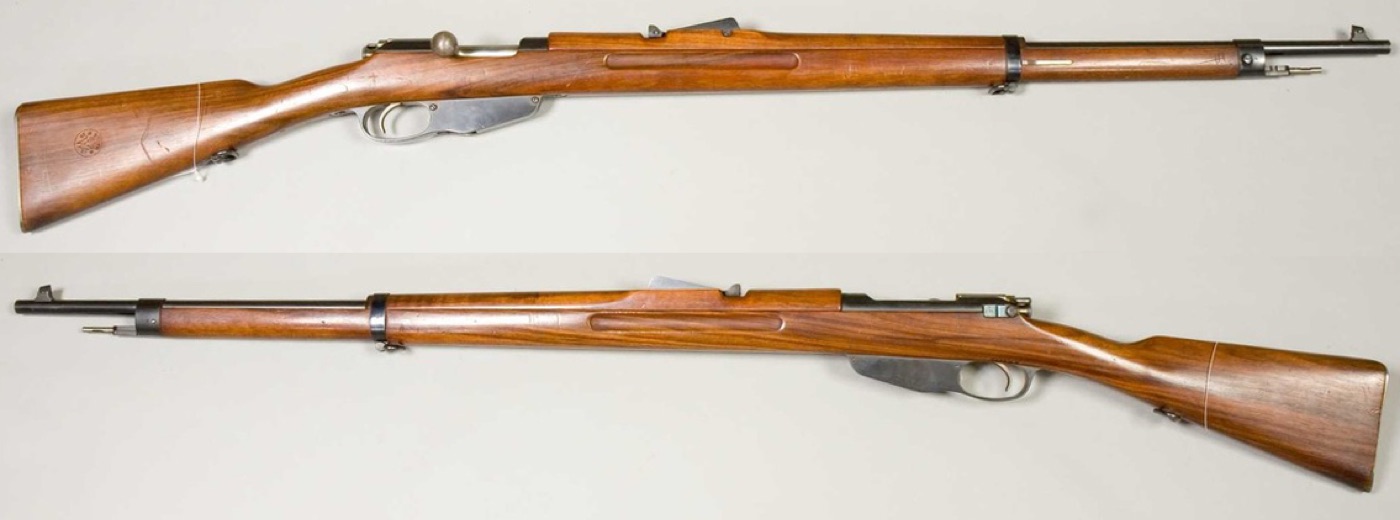
Photographs, each traced to its own license
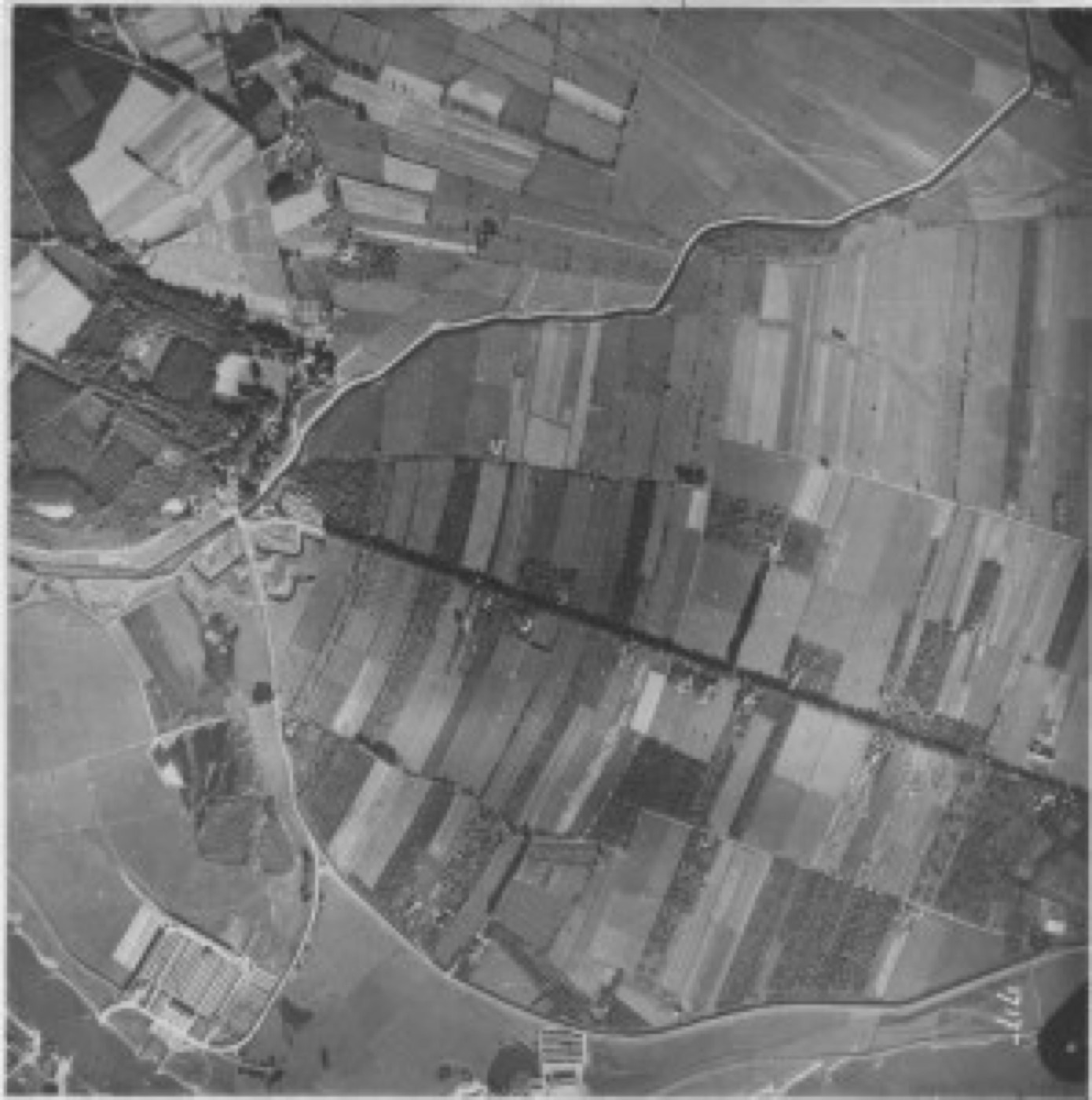
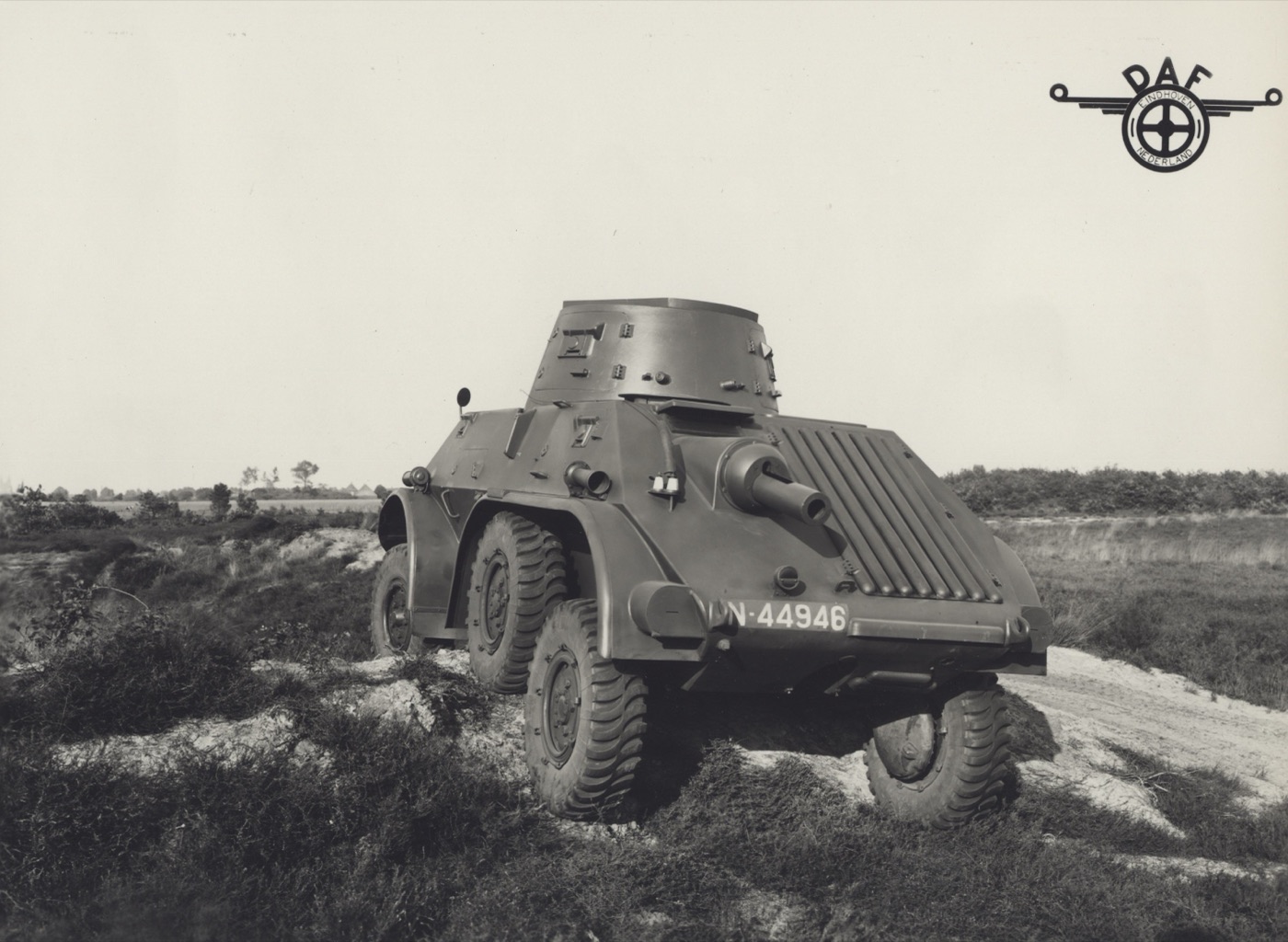
Sourced from Wikimedia Commons, the Nationaal Archief, and the Dutch Ministry of Defence’s own image bank — every license verified against the file’s own record, not assumed from the collection it came from.
Why another WWII history site
This started as a personal research exercise in building a verified, source-linked knowledge base — not another retelling of the familiar five-day-invasion story. The Dutch Army, Navy, KNIL, and resistance are reconstructed here from primary sources: combat reports, official archives, museum collections, contemporary press — the same discipline applied evenhandedly to every side involved, including where the Dutch record itself is uncomfortable.
Every article on this site links back to exactly where its claims come from. Where the historical record disagrees with itself — and it often does — that disagreement is stated plainly rather than smoothed into one tidy number.
- Traceable, not just cited. Every claim links to the specific source it came from, not a generic bibliography.
- Symmetric scrutiny. The same standard of evidence applies to every belligerent and every institution — no side gets the benefit of the doubt.
- Gaps stated, not hidden. When the record is genuinely disputed or incomplete, that's said outright — it's often the more interesting part.
- Tiered confidence. 🟢 verified extraction, 🟡 sourced research scaffold, 🟠 open dispute — so you always know how solid the ground is.